Polish Naval Memories of WWII
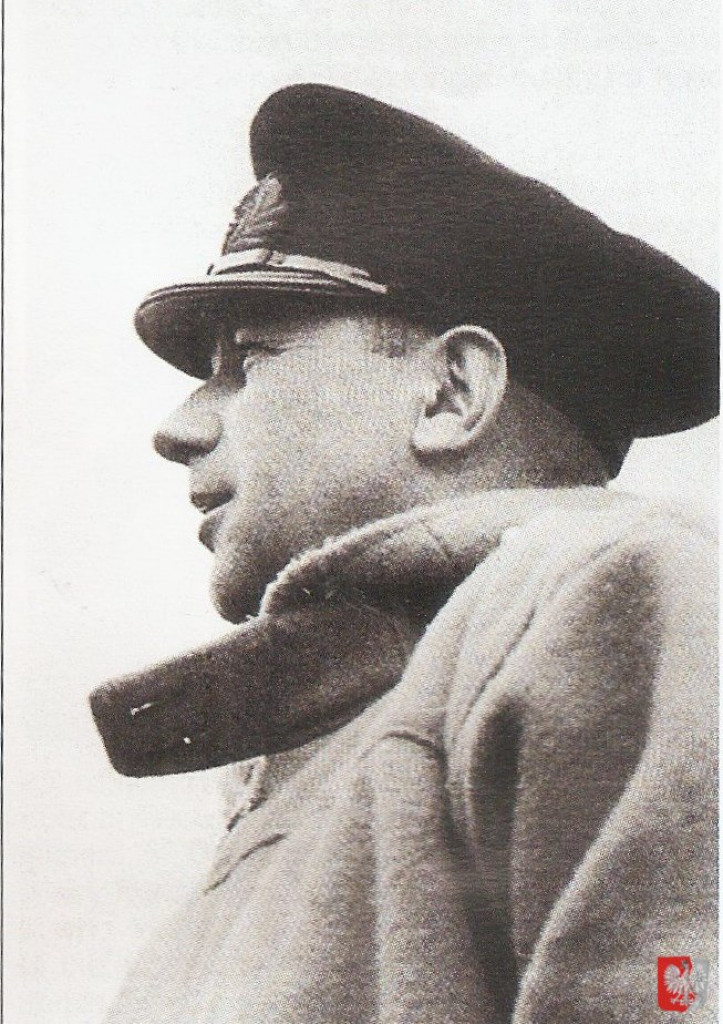
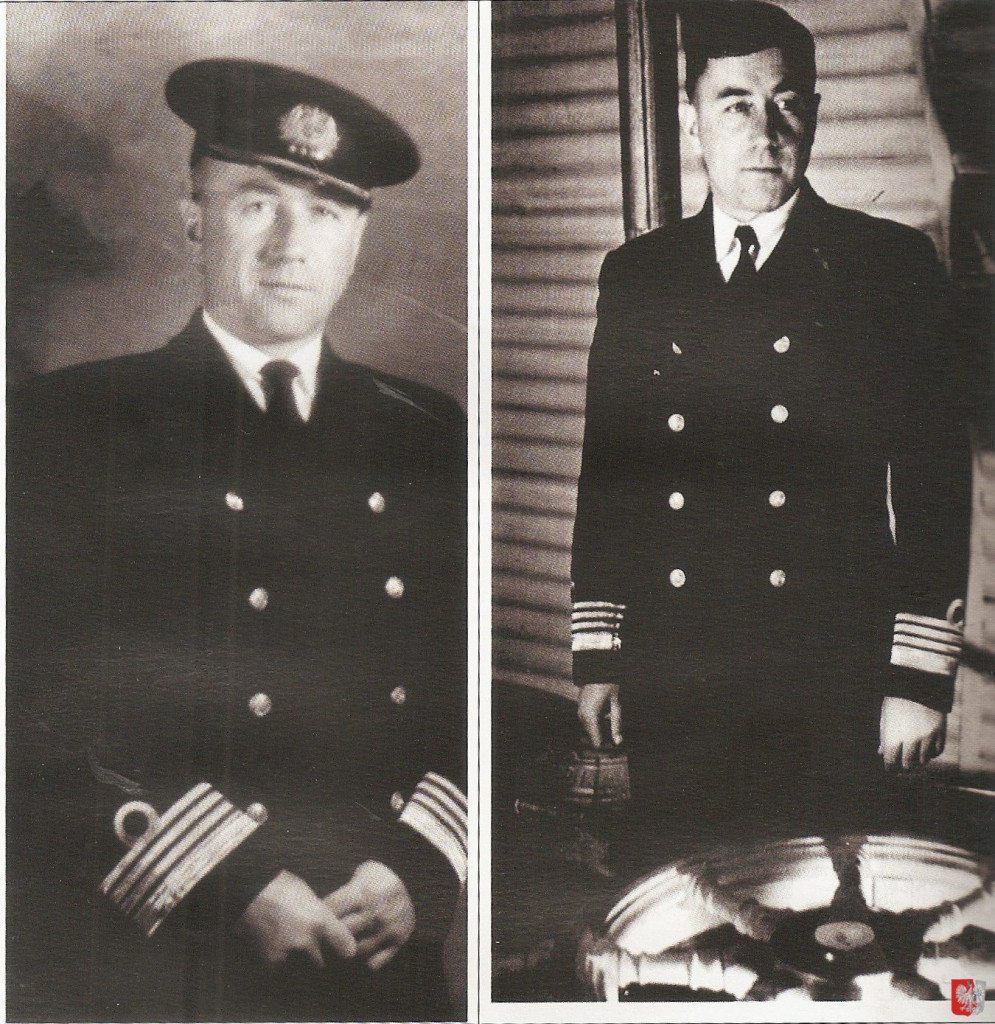
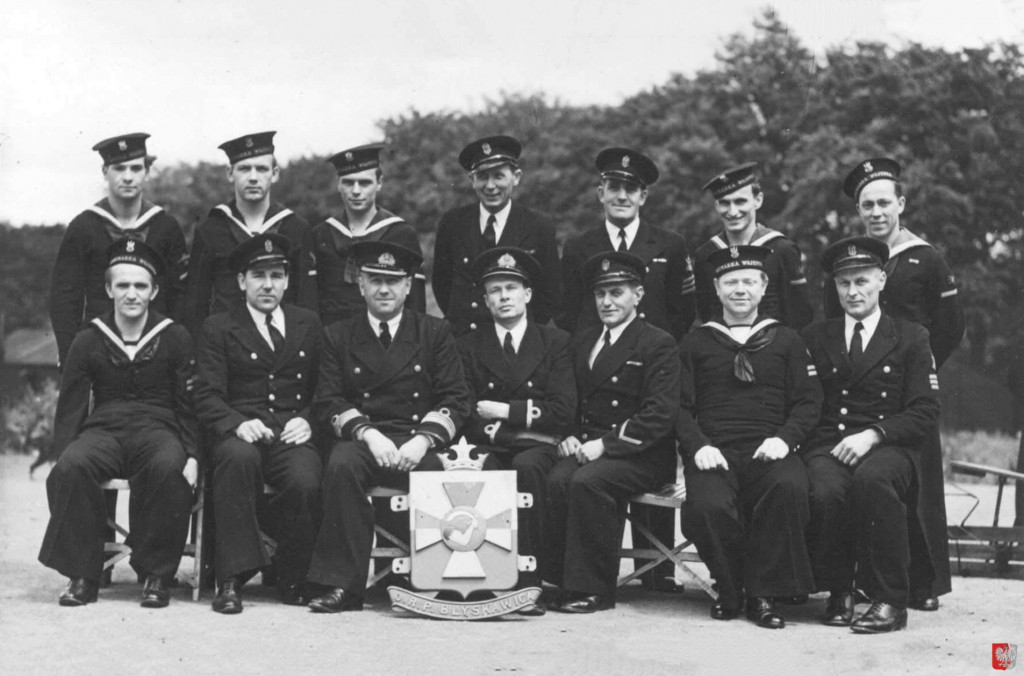
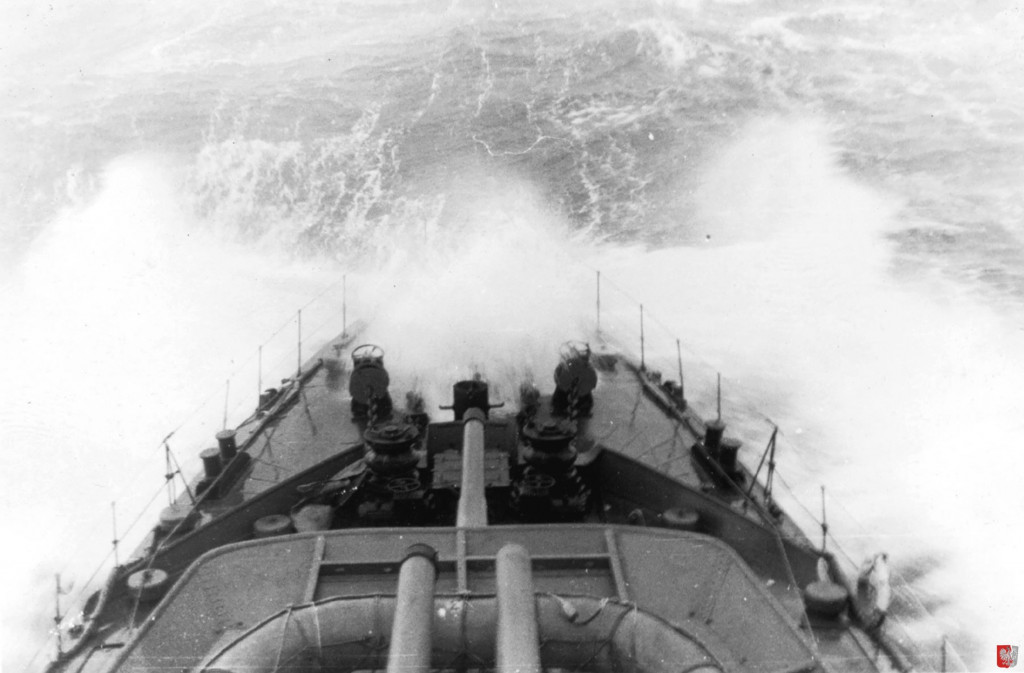
Nahorski’s family had been exiled from Poland to Russia because of the 1830 uprising, and so Stanisław Nahorski was born in St Petersburg in the time of the Tzars. In 1914 he entered the Imperial Russian navy as a cadet. By 1917 he was fighting with the “White” troops against the “Red” Bolsheviks. Joining with the free Polish forces he served as a lieutenant artillery officer in General Haller’s army in the war of independence. As a result of defending a key bridge over the Vistual river, with two other young officers, in Plock to the north west of Warsaw, enabling civilian refugees to escape, he was awarded Poland’s highest medal – the Virtuti Militari – by Marshall Piłsudski. Between 1920-22 he was a lieutenant in the Pinsk Flotilla of river gunboats guarding the eastern borders of the new Polish Republic. In 1933 he took command of the naval training schooner Iskra and was promoted to full Commander in 1935. On January 1st 1938 Nahorski became captain of the French built destroyer ORP Burza and commanded her in the break out from the Baltic Sea on 30th August 1939. On 20th February 1940 he was appointed captain of the newer fleet destroyer ORP Błyskawica and commanded her during the Narvik campaign and during the period of the Dunkirk evacuation. On 16th October 1940 he was awarded the DSO for bravery by the British Government. In 1942, on the 16th October, Nahorski was promoted to full captain rank and to the command of the Polish Naval Southern Command in Plymouth. He married a Plymouth girl Joan, on 20th March 1943, and they had two sons. The second son, Stefan, was christened on board Błyskawica in Plymouth on 20th April 1946. Upon the disbanding of all Polish Forces in the West Nahorski lived just outside Plymouth at Heybrook Bay working in market gardening. In March 1951 he was a guest of honour at the Admiral’s House, Mount Wise in Devonport for the unveiling of a plaque in memory to members of the Polish Navy who had lost their lives during WWII. As a result of meeting again with former RN colleagues Captain Nahorski’s expertise was recognised and he was then employed teaching Russian at RN College, Dartmouth and then at the Joint Services School for Linguistics. Later in he moved to London working for the UK Foreign Office and became a naturalised citizen of G.B. in 1961.
Polish Navy in the Plymouth Victory Parade
In Plymouth alone, on the 8th May 1946, the headquarters of the Polish Naval Southern Command, the Senior Service of Her Majesty’s Government did not let their comrades down. This was the only place in the United Kingdom where the Polish forces were allowed to participate in the march past. Polish Naval units march from North Hill to the city centre, with Captain Nahorski taking the salute.
In June 1946 the Allied victory was celebrated by Britain and her Empire. The Polish Forces in the West were not invited to the great parade in London, or elsewhere, so as not to upset Stalin and his Soviet regime. Thus as a nation, Britain’s first ally in the dark days of 1939, which had contributed so much to the eventual victory, were shamefully ignored.
Gallery


More from 1946-7
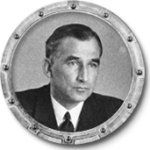
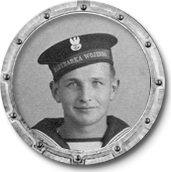
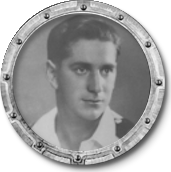
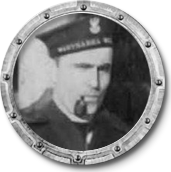
Stanisław Nahorski
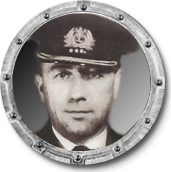
Wojciech Francki
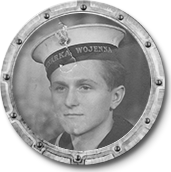
Jan Stępek
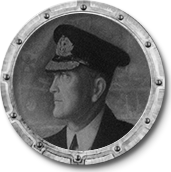
Karol Korytowski