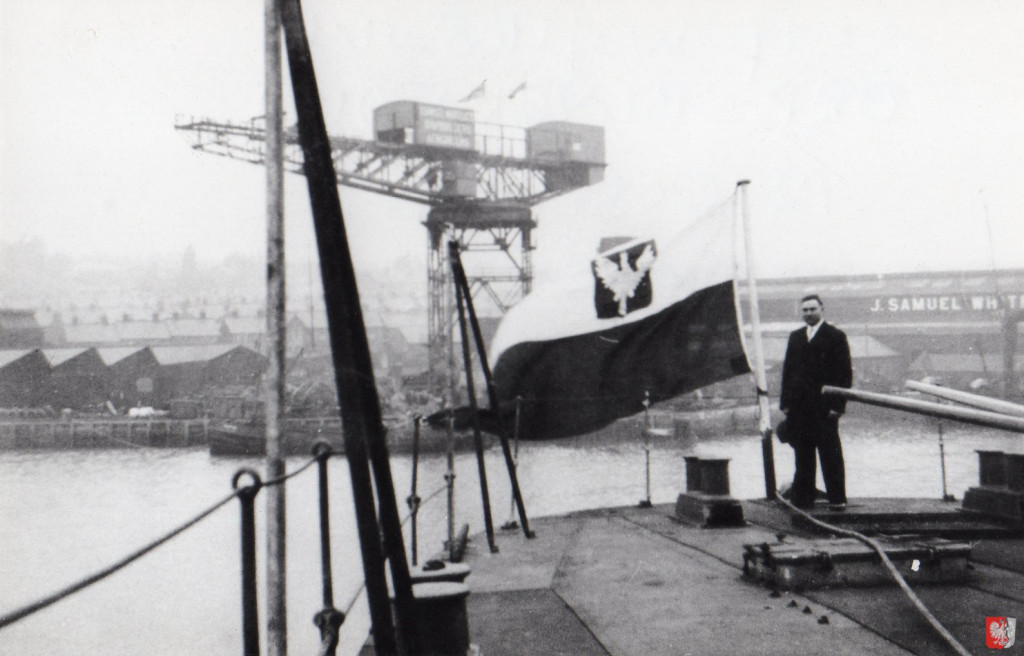
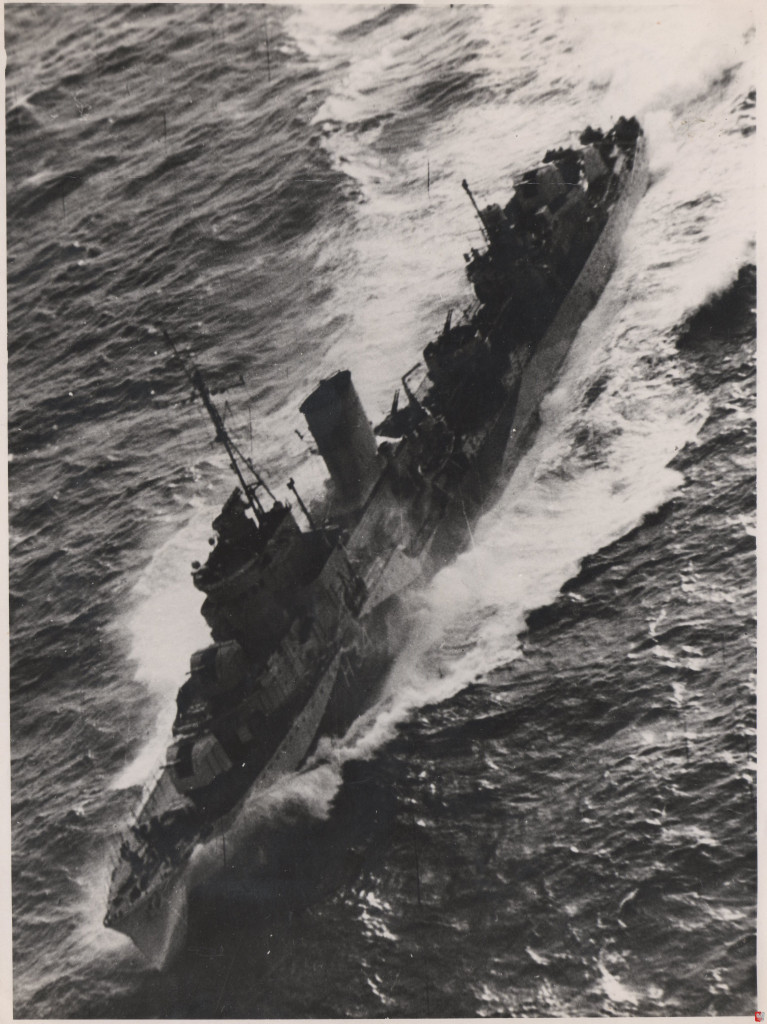
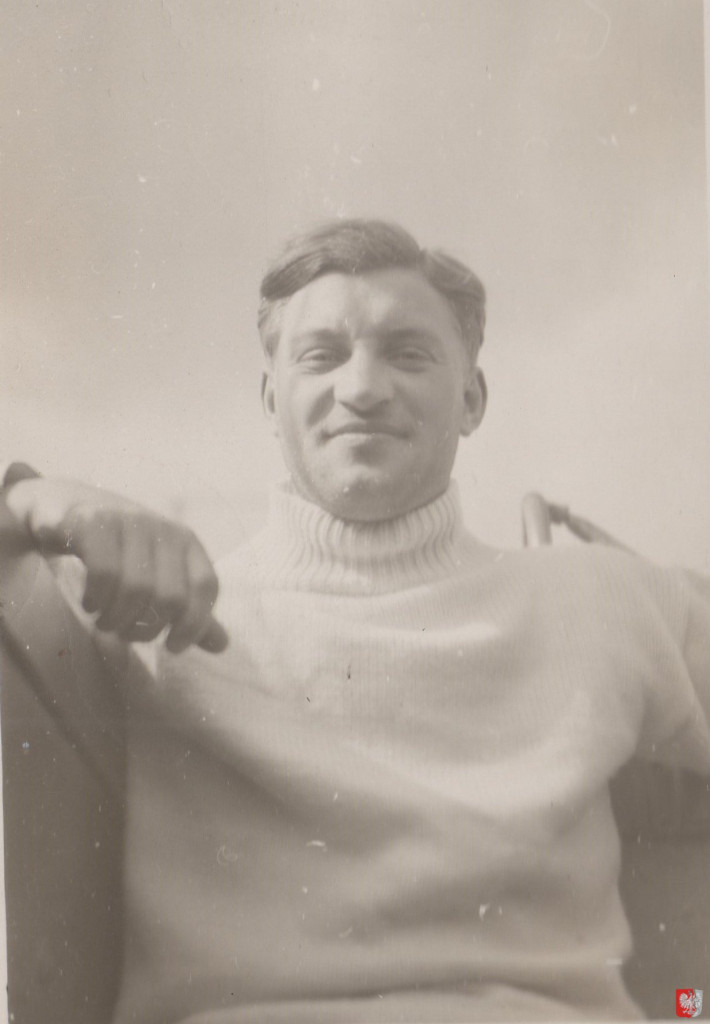
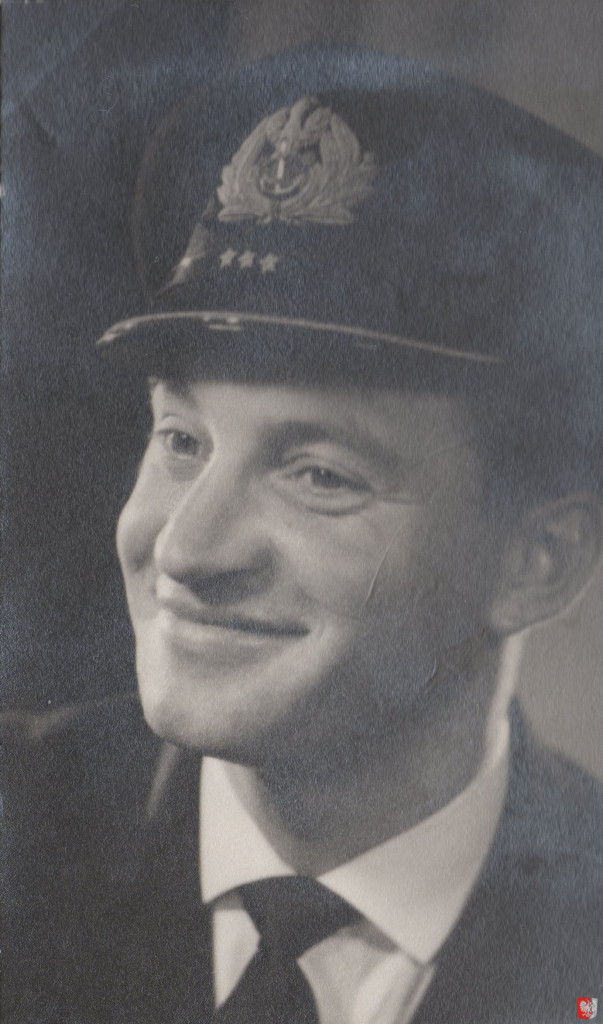
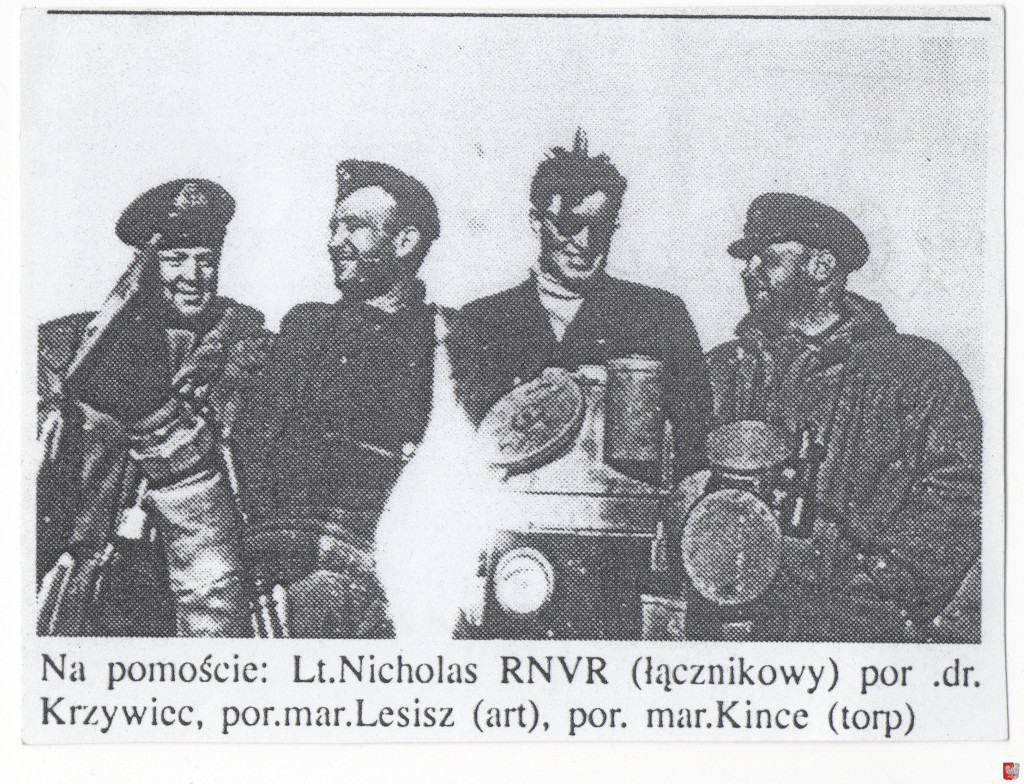
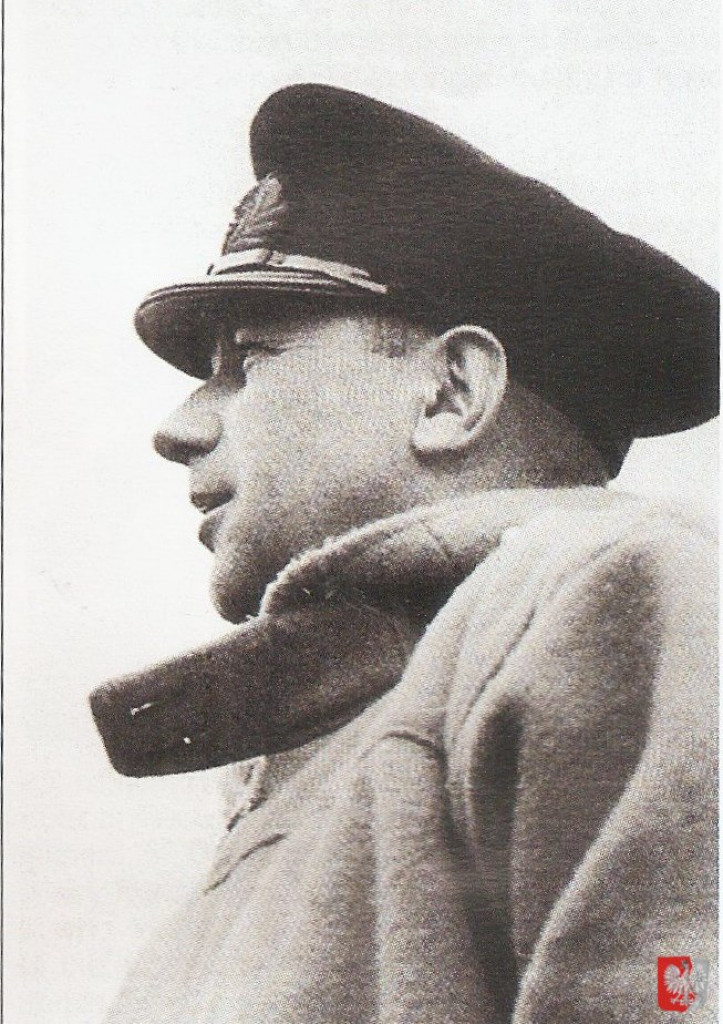
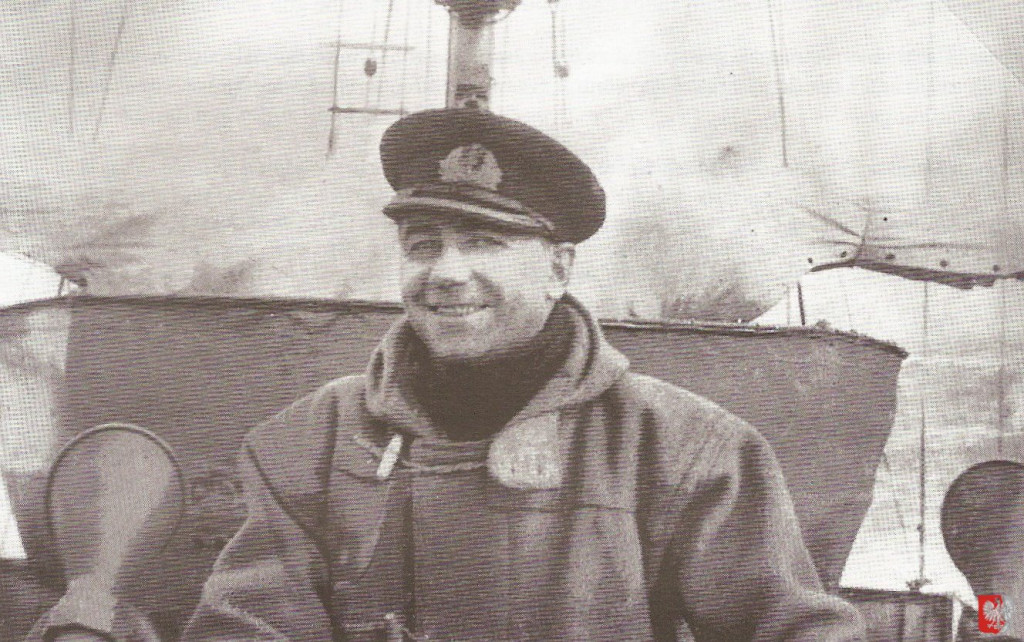
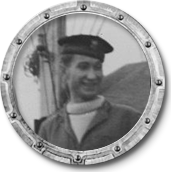
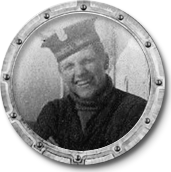
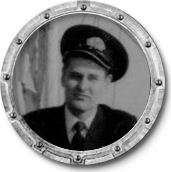
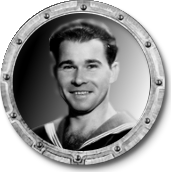
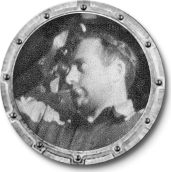
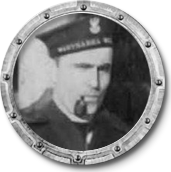
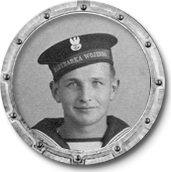
Lieutenant Commander Tadeusz LesiszIn Spring 1942 ORP Błyskawica was being repaired in Cowes, the Isle of White, when the port suffered a series of air raids involving 160 German bombers. With her anti-aircraft guns firing Błyskawica saved the town from serious destruction.Defence of CowesIn the spring of 1942, ORP Błyskawica was being repaired and having her main guns upgraded, in dry dock in Cowes. Lieutenant Tadeusz Lesisz was the Chief Gunnery Officer. On the 28th April, six German bombers made a hit-and-run sortie on Cowes. Their targets for destruction were the J Samuel shipyards, where ORP Błyskawica was docked. Captain Francki, the ship’s commanding officer, had noticed that the town’s defences were not strong. He saw German photograph reconnaissance planes and he was certain that they were a precursor to a full attack. Since his ship was in a decommissioned state with some of her crew on leave, Capt. Francki applied to Admiralty for permission to remain armed. The answer was NO. Capt. Francki was determined to enable as full a defence as possible and made sure that ORP Błyskawica remained armed and ordered more munitions from Portsmouth.As expected, on the night of the 4th May 1942, 160 low-flying German bombers arrived off Cowes at 11pm. Commander Francki led the port’s defences. After lighting the sea and land with parachute flares, the enemy came in near sea level. Błyskawica was the only vessel in port, but with her anti-aircraft guns glowing red she managed to throw up such a dense barrage and smokescreen that the town and dock were spared heavier destruction. The brunt of the defence of Cowes lay with Capt. Francki, Lieut. Comm Lesisz, the Polish officers and crew of ORP Błyskawica. The German bombers came from the Solent and ORP Błyskawica, under the crew’s direction, threw up such an intense barrage from their AA weapons, and even main armament, that the Luftwaffe were forced too high for accurate bombing. Her anti-aircraft guns fired continuously. Hands were scalded and gun barrels grew so hot that seawater was lifted in buckets from over the side, and thrown on the barrels to cool them down.
Local resident Vera Brown later described the events:
Looking outside as the sirens sounded, we saw with horror and disbelief the huge flares hanging over the town and knew that this time it was us. I cannot tell you of the screaming horror of that night…
A second wave of attacking planes arrived at 3.45am the next morning. The guns, under the command of Tadeusz Lesisz as Chief Gunnery Officer, fired til dawn. The ship fired 2,030 40mm Bofors shells and 10,500 rounds of machine gun ammunition. Sailors not needed on the ship’s guns fought fires in Cowes and brought first aid to the wounded. Over 200 German bombs were dropped and 70 people died but if not for the fierce resistance of the Polish sailors the damage would have been immense.
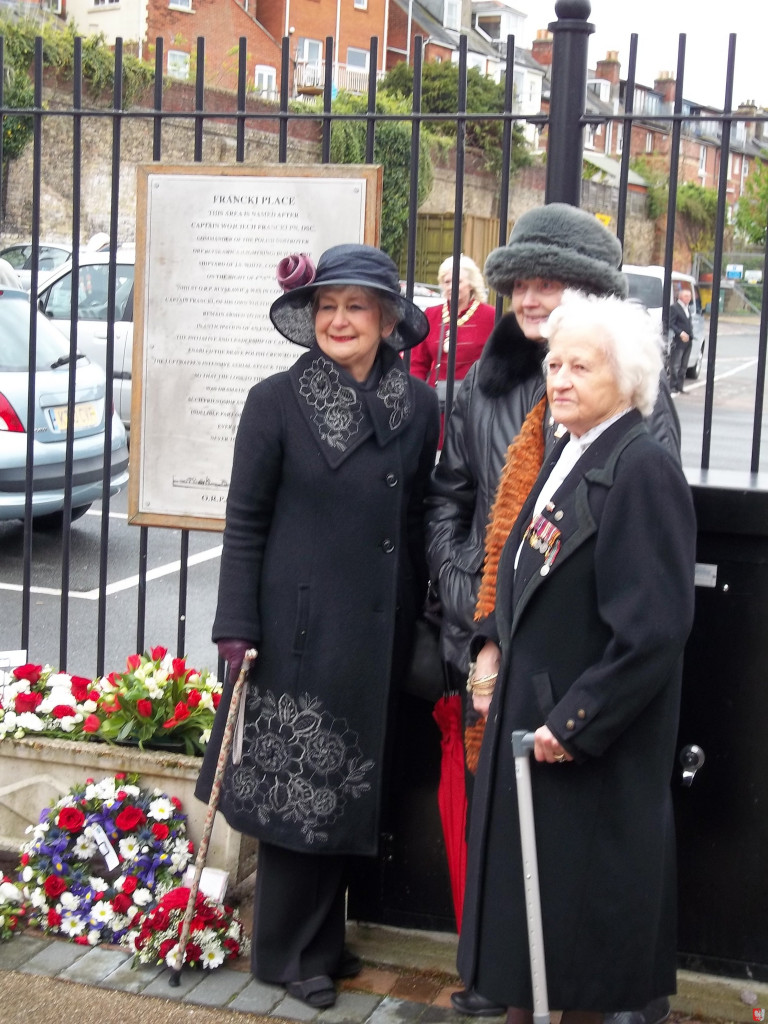
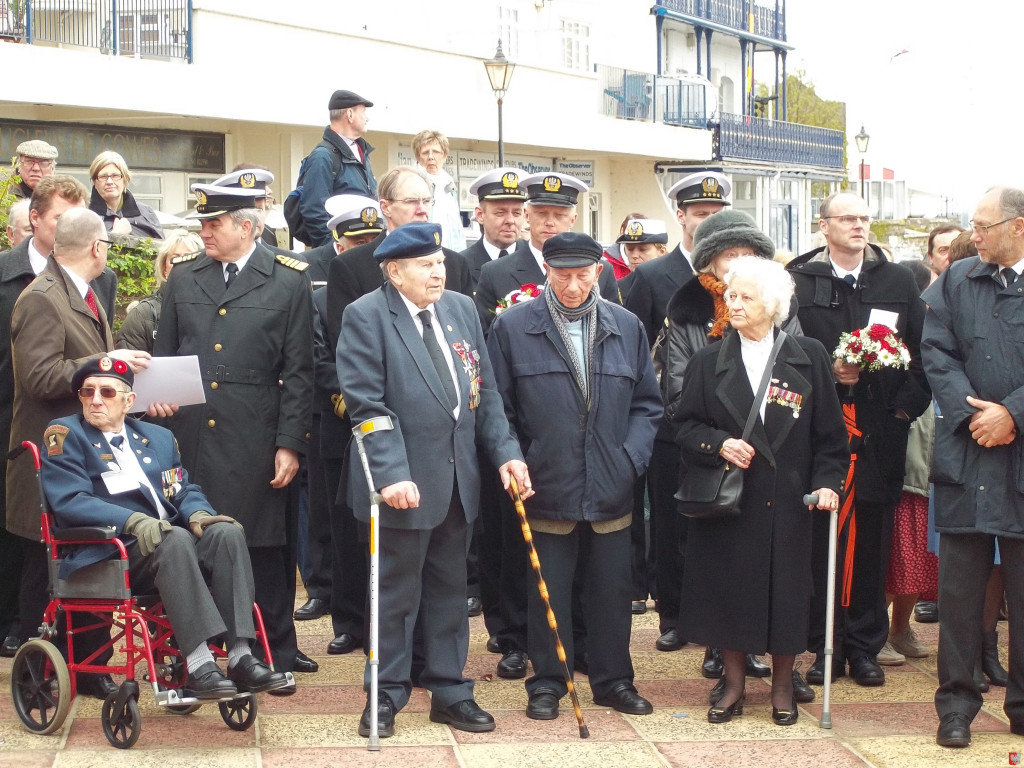
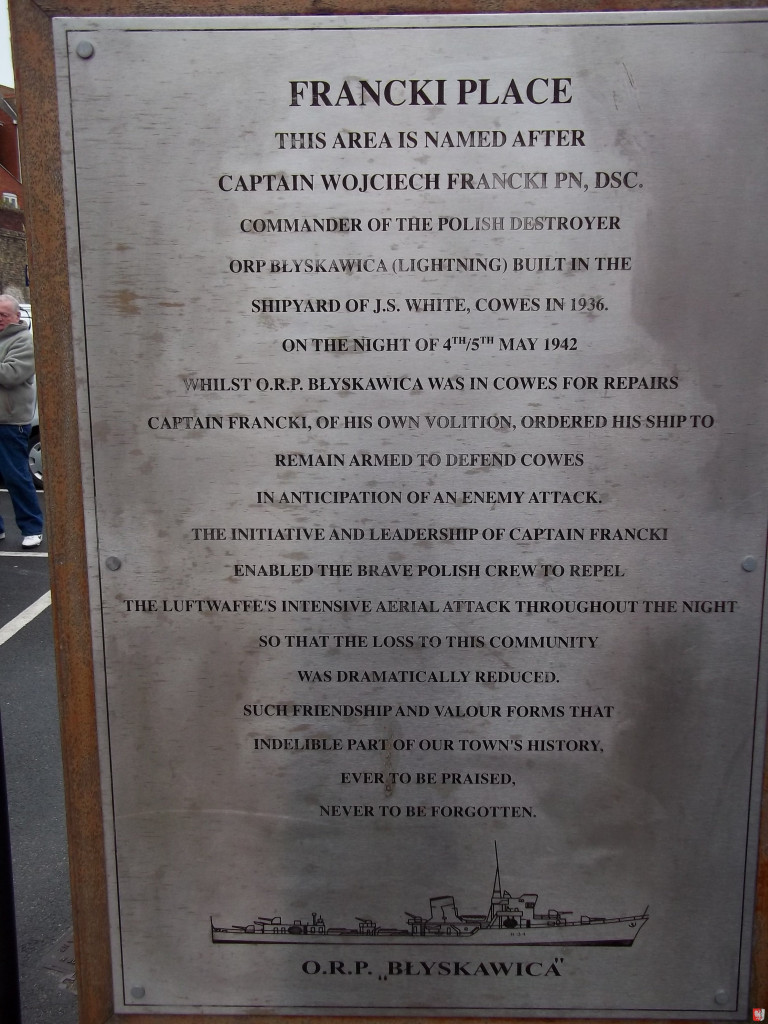
In gratitude, ORP Błyskawica was given freedom of the town; the main square of Cowes was later named for the vessel’s captain, Wojciech Francki. To this day, over 70 years later, the people of Cowes still commemorate the Polish destroyer and her crew.